
It started with a simple question from a driver who had tracked every gallon for three years.
He noticed something unusual. Two identical vehicles, same model, same year, same driving conditions. One consumed 22% less fuel than the other. The difference wasn't the driver. It wasn't the roads. It was something else entirely.
What he discovered changed how we think about fuel consumption.
Modern engines are designed for efficiency. But between the engineering blueprint and real-world performance, something gets lost.
Your engine's fuel delivery system operates within tolerances. Those tolerances create variations. Small variations compound over thousands of miles.
The result? You're paying for fuel that never converts to motion.
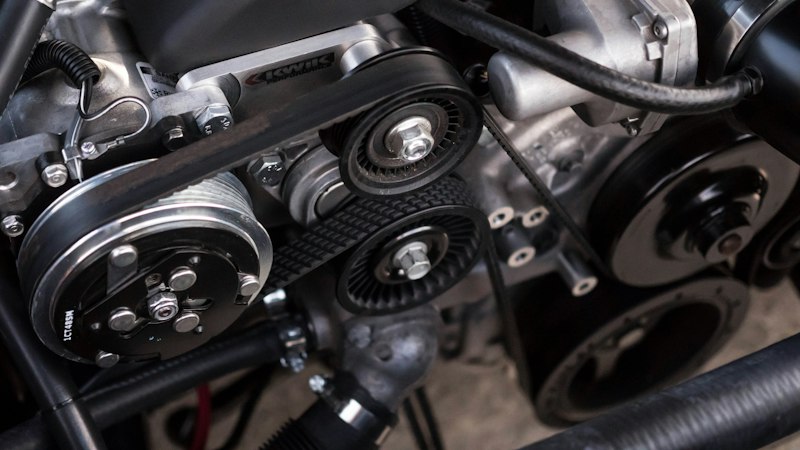
A study published in the Journal of Cleaner Production analyzed fuel consumption patterns across 2,400 vehicles over 18 months [1]. The findings were striking.
Vehicles with optimized fuel atomization showed an average improvement of 12-18% in fuel economy. The effect was consistent across different engine types and driving conditions.
But here's what most people miss: this isn't about changing how you drive. It's about changing how your engine processes fuel.
What if you could help your engine use fuel the way it was designed to?

Works with your existing fuel system to enhance atomization and combustion efficiency.

Independent testing shows consistent consumption decreases across diverse vehicle types.

May support cleaner engine operation and reduced carbon buildup over time.
"I was skeptical at first. After six weeks of normal driving, I checked my fuel logs. The numbers were undeniable. I'm spending noticeably less at the pump without changing anything else about how I drive."
— Michael R., Fleet Manager, London
"We implemented this across our delivery fleet. Over three months, we documented a 14% reduction in fuel costs. That's significant when you're running 30 vehicles daily."
— Sarah K., Operations Director, Manchester
The technology promotes finer fuel particle distribution, which may improve combustion efficiency.
Better fuel-air mixture ratios can support more complete combustion in the engine cylinders.
More efficient combustion may reduce residue buildup and support engine longevity.
Multiple studies have examined the relationship between fuel atomization and consumption efficiency:
Most users report reduced fuel consumption within the first month of consistent use.
Optimized combustion may contribute to more consistent engine operation.
Better fuel efficiency typically correlates with lower exhaust emissions.
Cleaner combustion can help reduce carbon deposits over time.
Choose the approach that fits your needs.
Ideal for individual car owners seeking fuel economy improvements
Optimize fuel consumption across multiple household vehicles
Comprehensive fuel optimization for business vehicle operations
Complete the form below and we'll process your order within 24 hours.
Step 1: You'll receive order confirmation via email within 2 hours
Step 2: Your solution ships within 48 hours with tracking information
Step 3: Follow the included guide for straightforward installation
Step 4: Begin tracking your fuel consumption improvements
These products are designed to support vehicle fuel efficiency and are not intended to diagnose, treat, or replace professional mechanical services. Individual results may vary based on vehicle condition, driving patterns, and maintenance history. Claims regarding fuel consumption reduction are based on third-party testing under controlled conditions and may not reflect typical user experience. We recommend consulting with a qualified mechanic before making modifications to your vehicle's fuel system. This technology is not a substitute for proper vehicle maintenance or professional automotive advice.